The recent US suspends green card lottery scheme after Brown shooting marks a pivotal moment in American immigration policy, directly linking a national tragedy to a longstanding visa program. This decisive action by the Trump administration has thrust the Diversity Immigrant Visa Program (DV1), often simply called the green card lottery scheme, into the center of a heated national debate on security, opportunity, and the future of legal immigration. The shocking events at Brown University, where two students lost their lives, have led to a policy shift with profound implications for tens of thousands of hopeful immigrants each year. Understanding this chain of events requires looking at the details of the tragedy, the history of the green card lottery scheme, and what this suspension means moving forward.
A Tragedy at Brown University and a Nationwide Manhunt
On December 13, a gunman entered the engineering building at Brown University during final exams, creating a scene of chaos and terror. The attack resulted in the deaths of two students—19-year-old Ella Cook from Alabama and 18-year-old Mukhammad Aziz Umurzokov—and left nine others injured. The immediate lockdown and investigation launched a massive, six-day, multi-state search for the suspect.
Authorities identified the suspect as 48-year-old Claudio Neves Valente, a Portuguese national. Through video evidence, public tips, and crucial CCTV footage, police traced a rented vehicle to the scenes of both the Brown University shooting and another tragic event: the killing of MIT professor Nuno Loureiro days earlier in Brookline, Massachusetts. The connection between the cases was solidified, revealing a trail of violence that crossed state lines. The manhunt ended in Salem, New Hampshire, where Valente was found dead in a storage facility from an apparent self-inflicted gunshot wound, with two firearms and a satchel nearby.
A critical detail emerged during the investigation: Claudio Neves Valente had legally entered the United States in 2017 through the green card lottery scheme. This fact became the catalyst for a sweeping political response.
The Diversity Visa Lottery: A Program Under Scrutiny
To understand why the US suspends green card lottery scheme after Brown shooting, we must examine the program itself. The Diversity Immigrant Visa Program (DV1) was created by an immigration act in 1990 with a specific goal: to diversify the immigrant population in the United States. Each fiscal year, it allocates up to 50,000 permanent resident visas (green cards) through a truly random computer-generated lottery.
Eligibility is restricted to applicants from countries with historically low rates of immigration to the U.S. in the previous five years. Winners of the green card lottery scheme undergo rigorous security and medical screenings, interviews, and background checks before being granted lawful permanent residence. For decades, it has represented a unique path to the American dream for people around the world who lack family or employment sponsorships in the U.S.
However, the program has long been a target for critics who argue its random nature poses a security risk. Homeland Security Secretary Kristi Noem highlighted this perspective, pointing to a previous attacker—Sayfullo Saipov, the Uzbekistan national convicted of a deadly 2017 truck attack in New York—as another individual who entered via the DV1 program. The Brown shooting provided a devastating new case study for those seeking major immigration reform.
The Political Response: Suspension and a Call for Permanent End
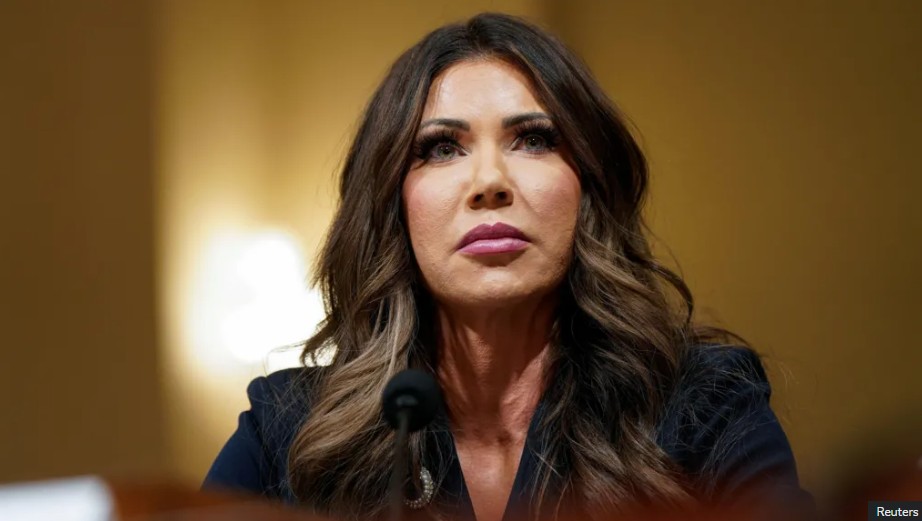
The administration’s reaction to the Brown shooting was swift and unequivocal. Under President Trump’s direction, Secretary Noem announced the suspension of the Diversity Visa Lottery program. In a statement, Noem framed the action as a necessary security measure, vowing to “ensure no more Americans are harmed by this disastrous programme.”
This is not the first time the Trump administration has sought to dismantle the green card lottery scheme. Following the 2017 New York attack, President Trump famously called for an end to “chain migration” and the diversity lottery, though legislative efforts at the time were unsuccessful. The tragic events at Brown University provided a renewed and emotionally charged impetus to pause the program via executive authority.
The suspension of the green card lottery scheme is more than a bureaucratic freeze; it represents a fundamental philosophical stance on how America should select its new immigrants. Proponents of the move argue it prioritizes national security and a merit-based system over random chance. Critics, however, see it as an overreaction that scapegoats a broad, legal pathway for the horrific actions of isolated individuals, punishing thousands of hopeful, vetted immigrants for one man’s crime.
Unanswered Questions and Lasting Implications
As the nation grieves for the victims of the Brown shooting, significant questions remain. Authorities have not disclosed a motive for the attacks, leaving communities searching for understanding. Furthermore, the long-term status of the green card lottery scheme is now in serious doubt. What begins as a suspension could easily become a permanent cancellation, especially if the administration maintains its position or if Congress takes legislative action.
The immediate consequence is that up to 50,000 potential immigration slots for the coming year are in limbo. Tens of thousands of individuals worldwide who may have been selected in the most recent lottery could see their dreams of American residency abruptly halted. This policy shift also sends a powerful symbolic message about the direction of U.S. immigration policy, potentially favoring employment or family-based categories over diversity as a core principle.
The decision to suspend the green card lottery scheme after the Brown shooting sits at the painful intersection of national tragedy and policy reform. It underscores how quickly a single act of violence can reshape the legal landscape for millions. The debate it has reignited—between security and opportunity, between chance and selection—will continue long after the headlines about the Brown shooting fade, defining the future of American immigration for years to come.
Disclaimer: This blog article is a summary and analysis based on the news report from the BBC. It is intended for informational purposes only. Specific legal or immigration advice should be sought from a qualified immigration attorney.