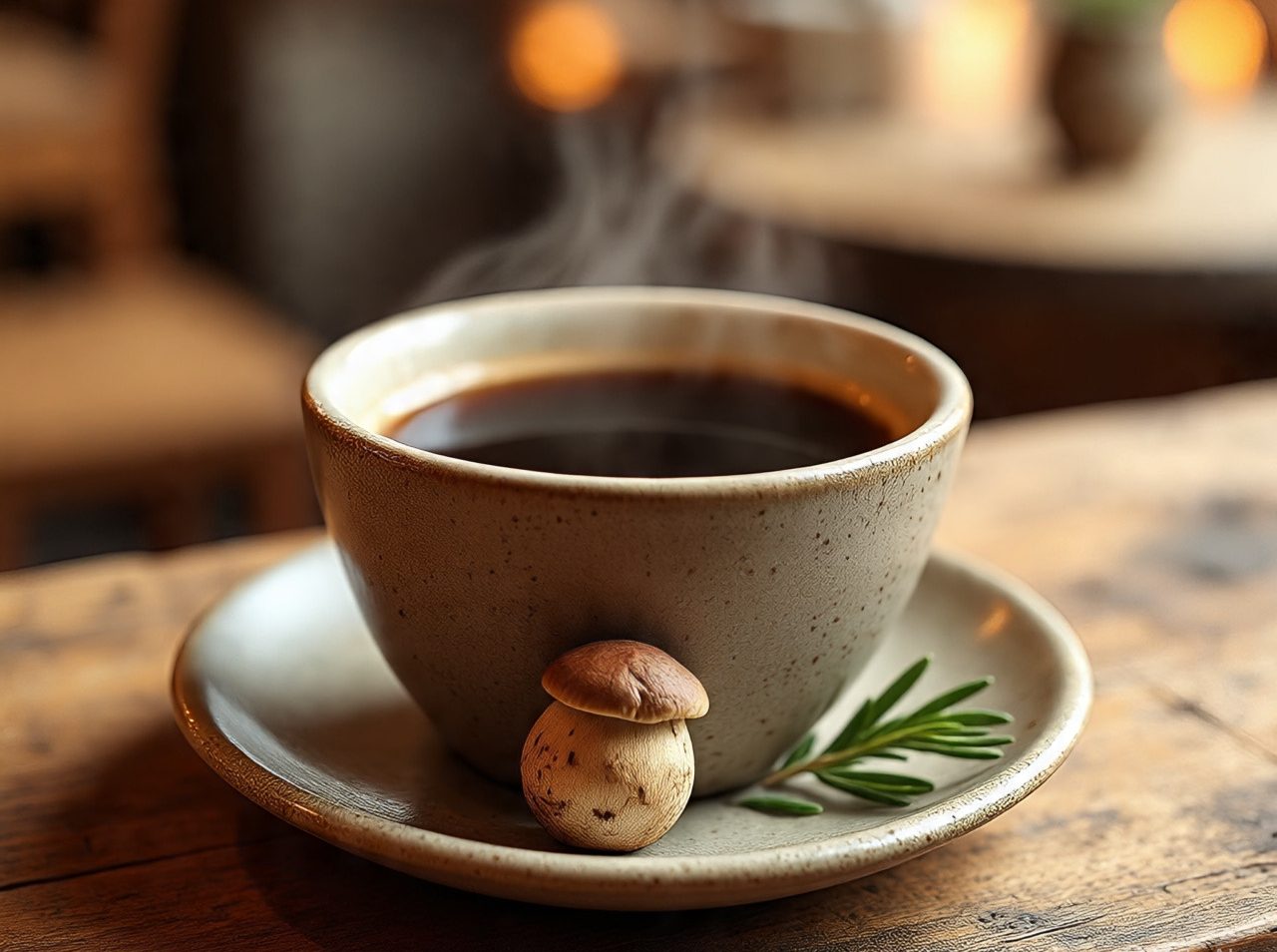
If you’ve been anywhere near wellness circles lately, you’ve probably heard the buzz about mushroom coffee. This isn’t your average cup of joe with chunks of portobello floating in it. Instead, it’s a sophisticated blend of ground coffee beans and extracts from medicinal mushrooms, creating a drink that promises both a caffeine kick and a host of health benefits. But is this trendy brew truly worth a taste, or is it just another passing fad? Let’s unpack the earthy, nutty world of mushroom coffee and see what the science—and the experience—really says.
What Exactly Is Mushroom Coffee?
At its core, mushroom coffee is a blend. It typically combines regular coffee with extracts from specific, nutrient-dense fungi. We’re not talking about the culinary mushrooms you sauté with garlic. The stars of this show are medicinal varieties like chaga, lion’s mane, reishi, and cordyceps. These mushrooms have been used for thousands of years in traditional Chinese and Ayurvedic healing practices, prized for their purported benefits.
The process involves harvesting these mushrooms, drying them, and extracting their beneficial compounds. The final powder is then mixed with ground coffee beans, often in a ratio that mutes the mushroom flavor. The result? Most people describe the taste as subtly earthy or nutty, with the coffee flavor still taking center stage. For many, the mushroom taste is barely noticeable, making it an easy switch from a regular brew.
The Promised Perks: Why Are People Drinking It?
The allure of mushroom coffee isn’t just about novelty; it’s about a powerful combination of function and wellness. Proponents and brands tout an impressive list of benefits that go far beyond a simple energy boost.
- Sustained Energy & Focus: Unlike the sharp jolt and potential crash of regular coffee, mushroom coffee is often described as providing a smoother, more sustained energy. This is frequently attributed to adaptogenic mushrooms like cordyceps and lion’s mane, which may help the body manage stress and support cognitive function without overstimulating the nervous system.
- Immune & Anti-Inflammatory Support: Many of the mushrooms used, such as chaga and reishi, are packed with antioxidants and beta-glucans. These compounds are studied for their immune-boosting properties and their potential to help reduce inflammation in the body, which is linked to numerous chronic diseases.
- Overall Well-being: The claims extend to improved sleep quality (particularly with reishi, known as the “calming” mushroom), better gut health, and even metabolism support. The idea is to harness the ancient wisdom of medicinal mushrooms in a convenient, modern format.
The Science Behind the Hype: A Measured Look
This is where a dose of realism is crucial, and it’s exactly what experts at institutions like Harvard Health emphasize. While the potential is exciting, the human research is still catching up to the claims.
There is solid in vitro (test tube) and animal research showing compelling health benefits associated with consuming these medicinal mushrooms. Studies highlight their immune-boosting properties, potential to regulate metabolism, and high antioxidant activity, which may help slow cellular aging.
However, a critical caveat exists: there is very little research on medicinal mushrooms that includes humans. Furthermore, virtually none of the existing research has been conducted on the specific blended format of mushroom coffee. There’s no guarantee that the beneficial compounds survive processing or that they are absorbed effectively when mixed with coffee. So, while the individual ingredients show promise, the final product in your mug remains under-studied.
Mushroom Coffee vs. The Real Thing
This leads to an important point made by nutrition experts: if your primary goal is to reap the health benefits of mushrooms, you might be better off eating them.
A serving of sautéed shiitakes, king trumpets, or other culinary mushrooms with your morning eggs provides fiber, essential vitamins, minerals, and those beneficial compounds—all with minimal calories and fat. You get the proven nutritional payload in a delicious, whole-food form.
Mushroom coffee, then, might be best viewed not as a replacement for eating vegetables but as a potential functional supplement or a interesting alternative to your regular coffee ritual. It offers a way to possibly get some mushroom-derived benefits in a format that fits seamlessly into an existing habit.
So, Is Mushroom Coffee Worth a Try?
The bottom line is a tentative “maybe,” and it comes down to your goals and expectations.
- Give it a try if: You’re curious about functional foods, you love exploring new wellness trends, and you don’t mind paying a premium for it. If you’re looking for a potentially smoother caffeine experience without a harsh crash, mushroom coffee could be a worthwhile experiment. You likely won’t do yourself any harm by swapping your regular cup for a mushroom blend.
- Manage your expectations: Don’t expect miracles. View it as a complementary part of a healthy lifestyle, not a magic bullet. The most proven health benefits from mushrooms still come from incorporating them into your meals.
- Quality matters: If you decide to explore, do your homework. Look for reputable brands that use organic mushrooms, are transparent about their sourcing, and clearly list the types and amounts of mushroom extracts (like fruiting body vs. mycelium) on the label.
Ultimately, mushroom coffee is an intriguing innovation at the intersection of nutrition and daily ritual. It invites us to rethink what our morning brew can do. While science works to validate its specific benefits, the experience of a rich, earthy cup that might just support your well-being is, for many, already worth a taste.
Disclaimer Summary
The information in this article is for educational purposes only and is not medical advice. While mushroom coffee shows promise, robust human studies are lacking, and individual results may vary. Always consult your doctor before trying new supplements, especially if you have health conditions, are pregnant, or take medications. The author and publisher are not responsible for any adverse effects.
Here are five direct Amazon links to popular mushroom coffee brands for your consideration.
- RYZE SUPERFOODS Day + Night Bundle with Mushroom Coffee and RYZE Hot Cocoa, USDA Organic Mushroom Coffee with 6 Adaptogenic Mushrooms & MCT Oil, Hot Cocoa Keto Sleep Aid with Melatonin, 30+20 s
- RYZE SUPERFOODS Ultimate Sleep Bundle, Mushroom Hot Cocoa + Probiotic Creamer with Adaptogenic Mushrooms, Melatonin, Probiotics, Glycine and Cacao to Help Fall Asleep and Stay Asleep, 20+30 Servings
- RYZE SUPERFOODS Matcha Latte Bundle, USDA Organic Mushroom Matcha + Probiotic Creamer with 6 Adaptogenic Mushrooms and Ceremonial-Grade Matcha for Energy, Focus, Digestion, Immunity, 30 + 30 servings
- Four Sigmatic Focus + Balance Mushroom Coffee Bundle | Organic Ground Coffee with Lion’s Mane Mushroom and Organic Coffee with Ashwagandha, Chaga Mushroom, Eleuthero and Tulsi
- OM MUSHROOM SUPERFOOD Instant Coffee – Organic Arabica with Lion’s Mane, Cordyceps, Reishi, Turkey Tail & Ginkgo for Energy, Focus & Clarity – 6.24 oz Canister, 30 Servings