
Low testosterone levels can significantly affect a man’s energy, mood, muscle strength, and overall quality of life. In recent years, TRT testosterone therapy has become a widely discussed medical treatment for men experiencing symptoms of low testosterone.
This guide explains what TRT is, how it works, who it’s for, benefits, risks, and important considerations before starting testosterone replacement therapy.
What Is TRT Testosterone?
TRT (Testosterone Replacement Therapy) is a medical treatment that helps raise low testosterone levels to a healthy range using prescribed hormones.
TRT is available in several forms, including injections, gels, patches, pellets, and oral medications.
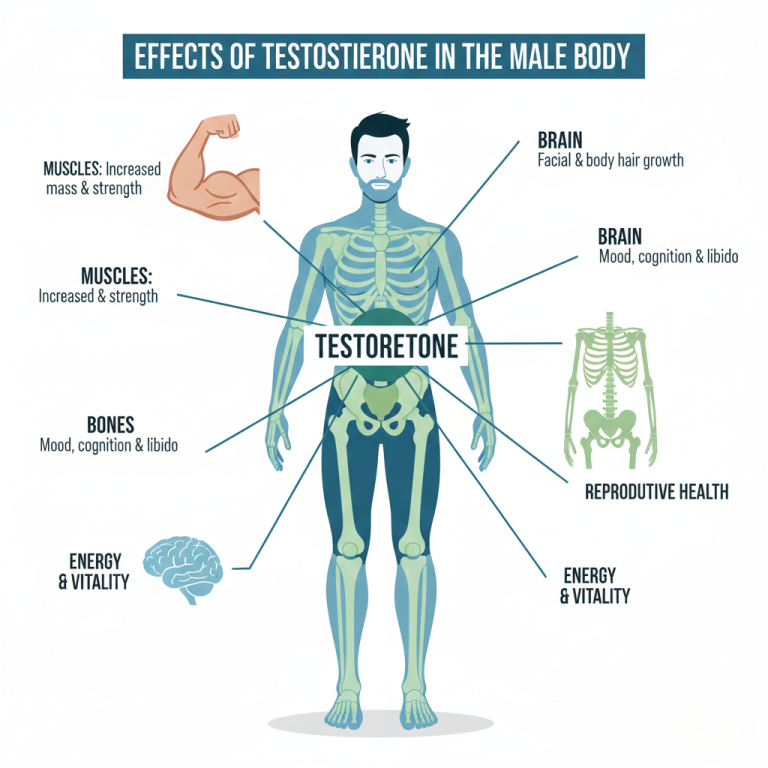
Why Testosterone Is Important for Men
Testosterone plays a key role in:
- Muscle growth and strength
- Fat metabolism
- Bone density
- Libido and sexual performance
- Mood and mental clarity
- Energy levels
When testosterone levels drop, men may experience physical, emotional, and sexual symptoms.
Common Symptoms of Low Testosterone
Low testosterone can develop gradually and is often overlooked.
Common signs include:
- Chronic fatigue
- Reduced sex drive
- Erectile dysfunction
- Loss of muscle mass
- Increased body fat
- Mood swings or depression
- Brain fog and poor concentration
If these symptoms persist, blood tests are required to confirm low testosterone levels.
How Does TRT Testosterone Therapy Work?
TRT works by supplementing the body with external testosterone, helping bring hormone levels back to a normal range.
Common TRT methods:
- Injections: Fast and effective, administered weekly or bi-weekly
- Topical gels: Applied daily to the skin
- Patches: Slow and steady hormone release
- Pellets: Implanted under the skin for long-term release
Each method has advantages depending on lifestyle and medical advice.
Benefits of TRT Testosterone Therapy
1️⃣ Increased Energy and Motivation
Many men report improved energy levels and reduced fatigue within weeks of starting TRT.
2️⃣ Improved Muscle Mass and Strength
Testosterone supports protein synthesis, helping increase lean muscle and strength.
3️⃣ Enhanced Libido and Sexual Health
TRT can improve sex drive, erectile function, and overall sexual satisfaction.
4️⃣ Better Mood and Mental Clarity
Balanced testosterone levels may reduce anxiety, depression, and brain fog.
5️⃣ Improved Bone Density
TRT helps maintain strong bones and may reduce fracture risk as men age.

Who Is a Good Candidate for TRT?
TRT is not for everyone.
Ideal candidates:
- Men with confirmed low testosterone through blood tests
- Men experiencing persistent symptoms
- Men under medical supervision
Not recommended for:
- Men with prostate or breast cancer
- Men planning to have children soon
- Men with untreated sleep apnea
- Men with high red blood cell counts
Medical evaluation is essential before starting therapy.
Potential Risks and Side Effects of TRT
While TRT can be beneficial, it also carries potential risks.
Possible side effects:
- Acne or oily skin
- Fluid retention
- Increased red blood cell count
- Reduced sperm production
- Testicular shrinkage
Long-term use requires regular monitoring to reduce risks.
TRT Testosterone and Fertility
One important consideration is fertility.
TRT may reduce natural testosterone production, which can lower sperm count. Men who plan to have children should discuss alternatives like:
- Clomiphene citrate
- hCG therapy
These options may help maintain fertility while supporting testosterone levels.
How Long Does TRT Take to Show Results?
Typical timeline:
- 2–3 weeks: Improved energy and mood
- 4–6 weeks: Increased libido and focus
- 8–12 weeks: Muscle and body composition changes
Results vary depending on dosage, method, and individual health.
Lifestyle Changes That Support TRT Results
TRT works best when combined with healthy habits:
- Strength training and regular exercise
- Adequate sleep (7–8 hours)
- Balanced diet with healthy fats
- Stress management
Lifestyle optimization improves long-term outcomes.

Frequently Asked Questions (FAQs)
Is TRT testosterone safe?
When prescribed and monitored by a doctor, TRT is generally safe for eligible patients.
Is TRT a lifelong treatment?
In many cases, yes. Stopping TRT may cause testosterone levels to drop again.
Can TRT help with weight loss?
TRT may support fat loss by improving muscle mass and metabolism, but it is not a weight-loss drug.
Does TRT increase prostate cancer risk?
Current evidence does not show TRT causes prostate cancer, but monitoring is required.
Final Thoughts: Is TRT Testosterone Right for You?
TRT testosterone therapy can be life-changing for men with clinically low testosterone. However, it is a medical treatment—not a shortcut or performance enhancer.
A proper diagnosis, medical supervision, and long-term monitoring are essential for safe and effective results.